UAE Exits OPEC: A Major Shift in Global Oil Dynamics
The UAE's departure from OPEC marks a significant shift in the oil market, raising questions about the cartel's future. Discover how this move impacts global oil prices and geopolitical alliances.
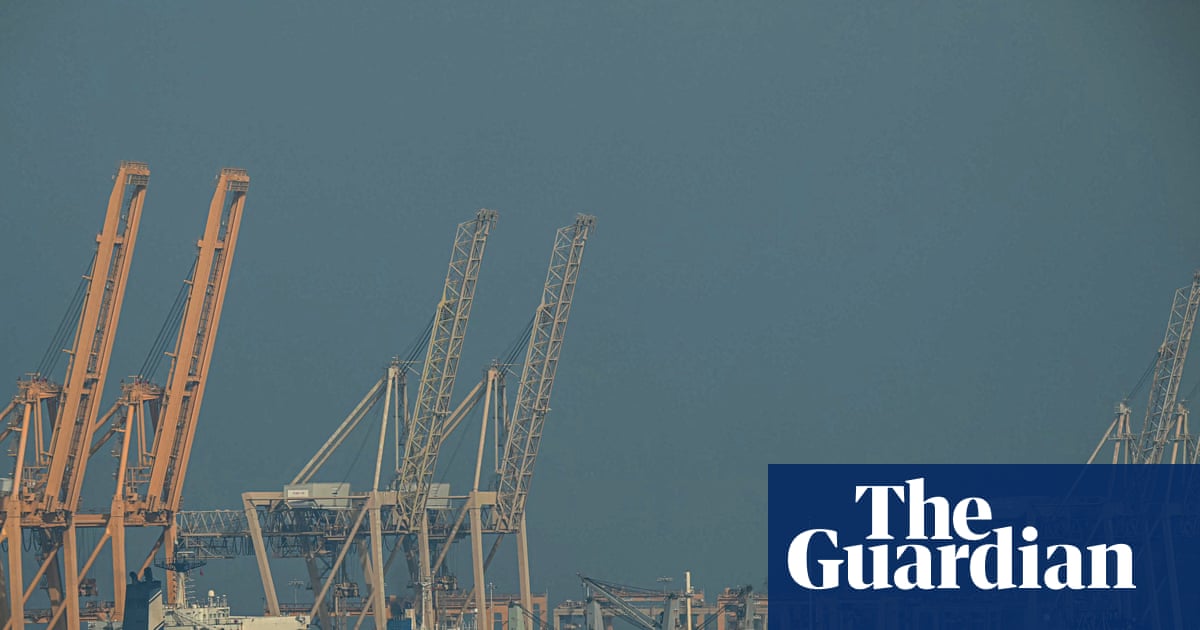
UAE's Strategic Exit from OPEC
In a surprising turn of events, the United Arab Emirates has officially quit the OPEC oil cartel, a decision that could destabilize the organization and its leadership under Saudi Arabia. This exit comes amid escalating tensions in the region due to the ongoing Iran war, which has already strained oil exports through the critical Strait of Hormuz.
The UAE's energy ministry claims that this move will provide greater flexibility and align with its long-term economic vision. Notably, the departure is seen as a significant win for U.S. President Donald Trump, who has long criticized OPEC for inflating oil prices. The Brent crude oil price has surged to $119.50 a barrel, reflecting the heightened volatility in the market.
- •Key implications of the UAE's exit include:
- •Potential disarray within OPEC as internal disagreements surface.
- •Increased oil prices affecting global economies.
- •A shift in geopolitical alliances in the Gulf region.
As the UAE steps away from OPEC, the global oil landscape is poised for dramatic changes that could affect consumers and economies worldwide.