Trump's War Powers Claim: A Historical Perspective
Trump argues he doesn't need Congress' approval for war, citing past presidents. Discover the complexities behind the War Powers Act and its historical applications.
The War Powers Debate
President Trump recently claimed that he doesn't require congressional authorization to continue military actions against Iran, suggesting that previous presidents have similarly bypassed this requirement. However, the reality is more nuanced, as the 1973 War Powers Resolution mandates that the president must terminate military actions after 60 days unless Congress votes to extend them.
While Trump insists that past presidents have ignored this law, historical records show a mixed compliance:
- •Ronald Reagan sought approval for military actions in Lebanon.
- •George HW Bush obtained congressional authorization for the Gulf War.
- •George W Bush received approval for the wars in Afghanistan and Iraq.
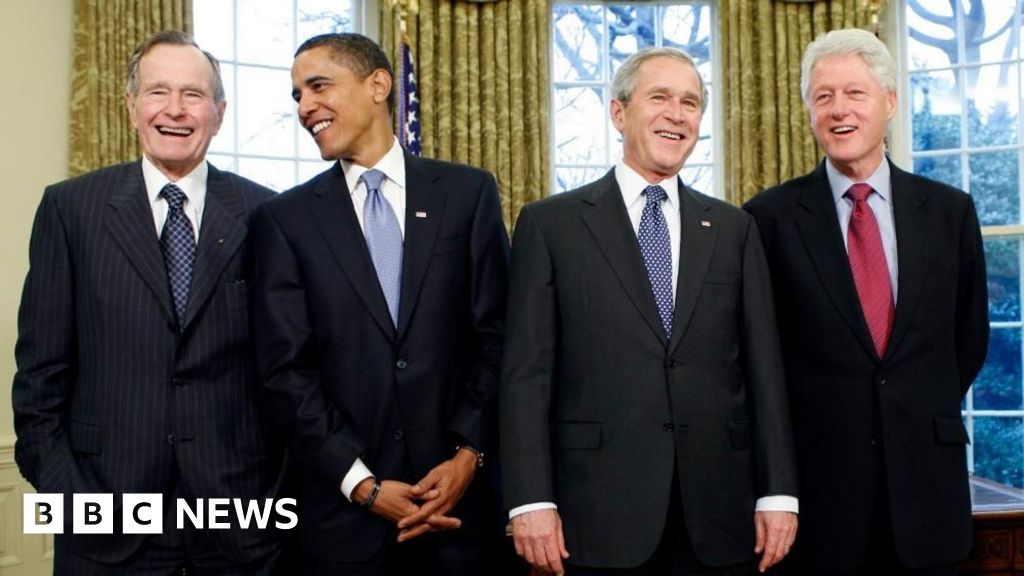
- •Conversely, Bill Clinton and Barack Obama engaged in military actions without seeking congressional consent, raising questions about adherence to the War Powers Act.
This ongoing debate highlights the tension between presidential authority and congressional oversight in military engagements, making it crucial to understand the implications of Trump's statements in the context of U.S. history.