Supreme Court Upholds Birthright Citizenship
The Supreme Court has rejected Trump's bid to end birthright citizenship, reaffirming a century-old legal precedent. This landmark decision protects the rights of countless children born in the U.S. to non-citizen parents.
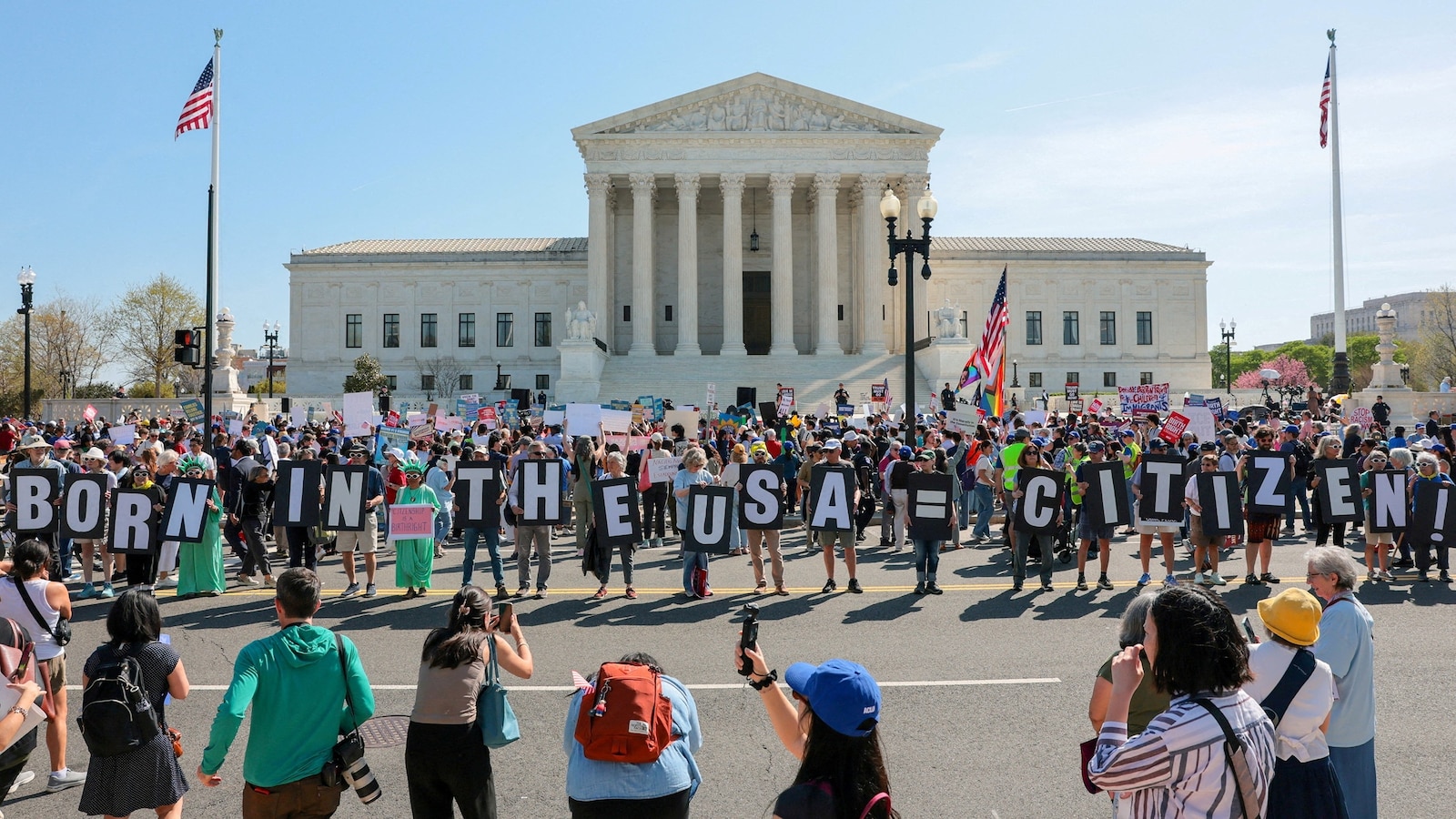
Supreme Court's Landmark Decision
In a decisive 6-3 ruling, the Supreme Court has upheld the principle of birthright citizenship, a significant setback for former President Donald Trump. This ruling confirms that any child born on U.S. soil is automatically granted citizenship, a right enshrined in the 14th Amendment since 1868.
Chief Justice John Roberts emphasized the importance of this ruling, stating, "Citizenship, then and now, was the right to have rights." The dissenting opinions from Justices Clarence Thomas, Neil Gorsuch, and Samuel Alito raised concerns about the citizenship status of children born to non-citizen parents, but the majority opinion firmly rejected these arguments.
- Key points from the ruling include:
- Birthright citizenship is a fundamental American promise.
- Trump's executive order aimed at changing this status was deemed unlawful.
- An estimated 255,000 children born annually to non-citizen parents would have been affected.