Supreme Court Strikes Down Hawaii's Gun Carry Restrictions
The Supreme Court has invalidated Hawaii's law restricting firearm carry on private property, igniting debates on public safety and gun rights. This landmark ruling could reshape similar laws across several states, raising questions about the balance between rights and safety.
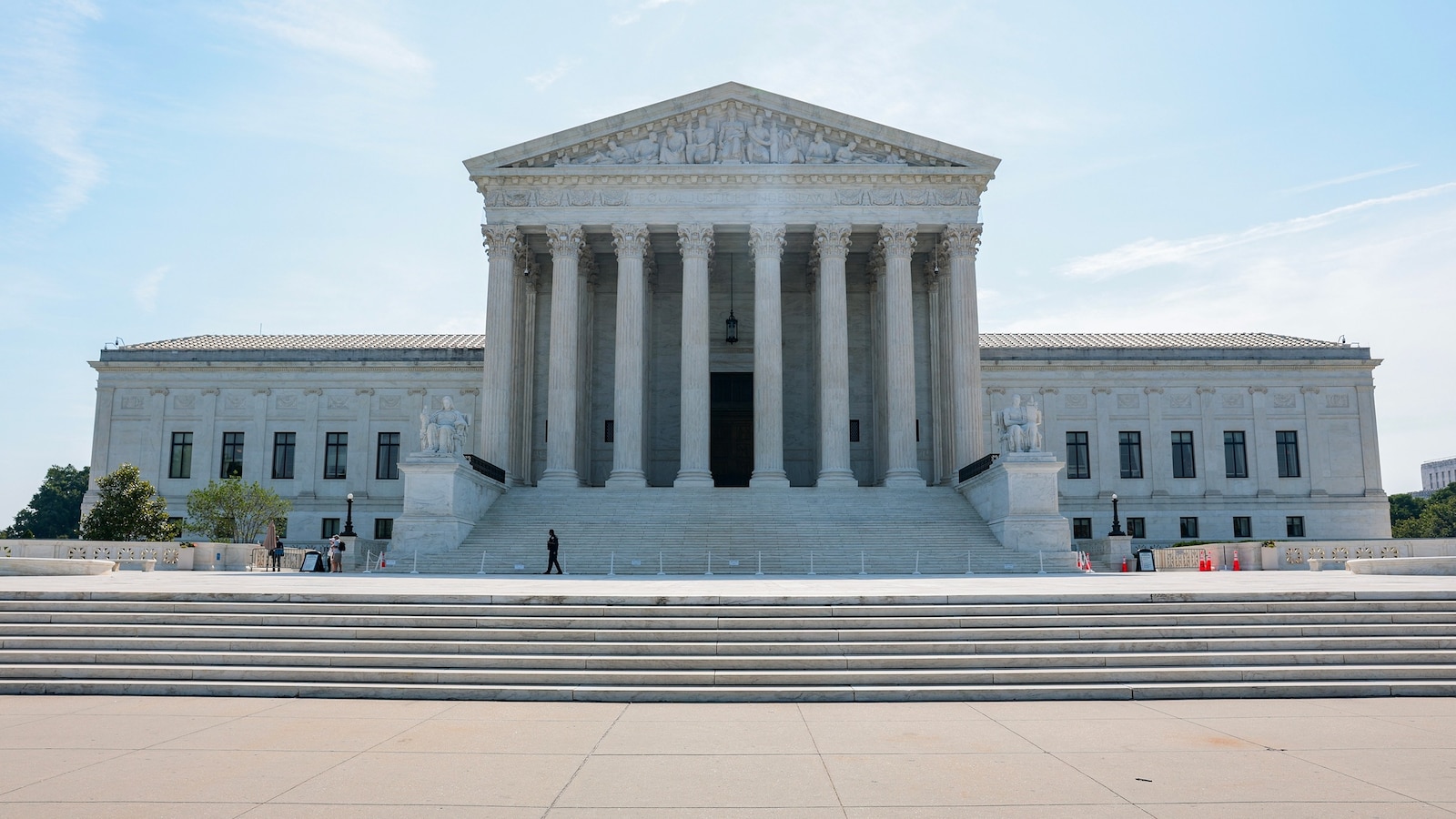
Supreme Court's Landmark Decision
In a significant ruling, the Supreme Court has struck down a Hawaii law that prohibited carrying firearms onto private property open to the public without the owner's consent. The 6-3 decision, led by Justice Samuel Alito, emphasized that such restrictions infringe upon the Second Amendment rights of lawful gun owners.
The court's conservative majority argued that the law imposed severe limitations on daily activities, asserting that the default rule now allows lawful gun owners to carry their weapons unless explicitly prohibited by property owners. This ruling not only affects Hawaii but also has implications for similar laws in states like California, New York, and New Jersey.
- Key points from the ruling include:
- The court's view that historical analogues to such laws are outliers.
- The responsibility now lies with property owners to post signs if they wish to ban firearms.
- Dissenting opinions highlight concerns over public safety and legislative authority.