Miraculous Everest Survival Raises Tourism Concerns
A guide's miraculous survival on Everest after six days raises critical questions about the safety of high-altitude tourism. What does this mean for the future of climbing expeditions and the Sherpas who risk their lives?
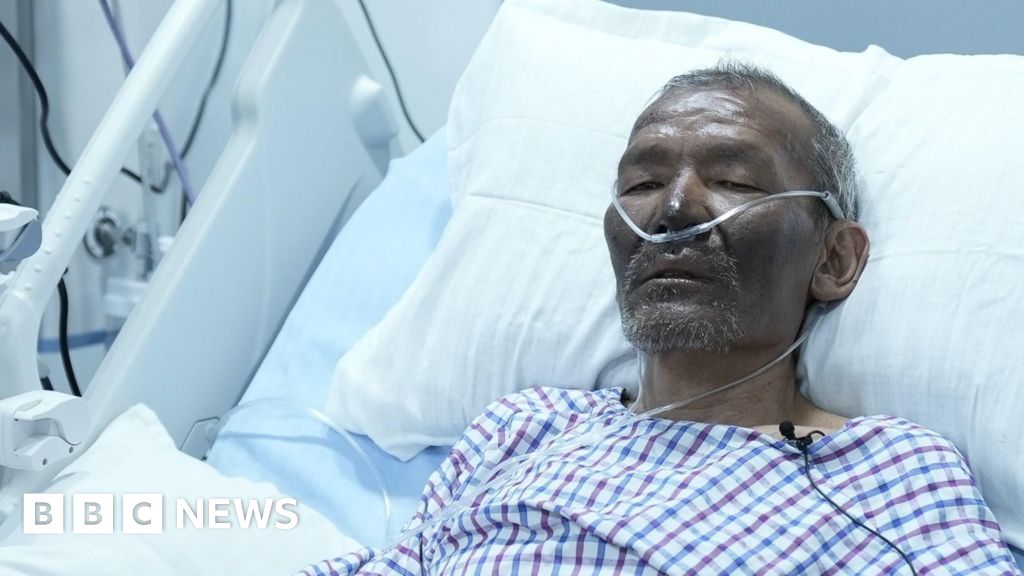
The Miraculous Rescue
Hillary Dawa Sherpa, a 57-year-old climbing guide, was found crawling at the foot of the Khumbu Icefall after being presumed dead for six days. His survival, attributed to eating chocolate and chewing ice, has sent shockwaves through the mountaineering community and raised urgent questions about the safety protocols in place for guides on Everest.
Despite being hired as a camp cook, Hillary Dawa was unexpectedly thrust into a guiding role when another guide fell ill. This incident has sparked outrage, particularly regarding the practices of Himalayan Traverse Adventure (HTA), the company he worked for. Many are questioning whether HTA has adequately prioritized the safety of its guides, especially given the company's reputation for offering low-cost packages.
- Key concerns include:
- Delayed search efforts for missing guides.
- The adequacy of training and support for Sherpas.
- The ethical implications of using guides in roles they are not trained for.