Japan's Nuclear Restart Raises Waste Storage Fears
Japan's nuclear power plant restart has ignited concerns over spent fuel storage. With limited options for disposal, the country faces a looming crisis in managing radioactive waste.
Restarting the Reactor Amidst Concerns
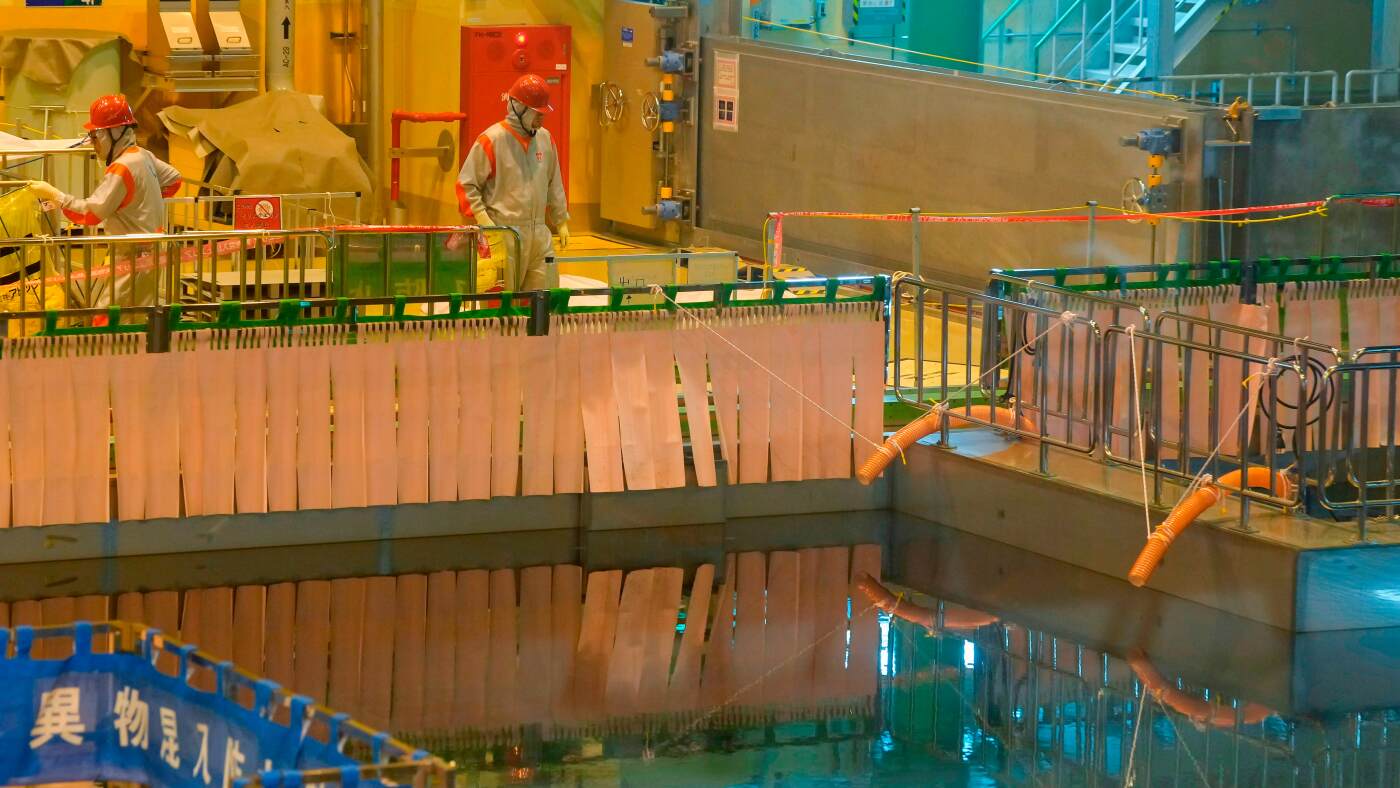
Japan has resumed operations at the Kashiwazaki-Kariwa Nuclear Power Station, the world's largest nuclear facility, to address soaring electricity demands during a global oil crisis. However, this move has sparked fresh fears regarding the country's ability to manage spent nuclear fuel, as storage facilities are nearing capacity and viable disposal plans remain elusive.
The Kashiwazaki-Kariwa plant's cooling pools are projected to be full within five years, raising alarms among energy officials. General Manager Takeyuki Inagaki emphasized the urgency of developing solid fuel management strategies to prevent a halt in power generation. The government is considering a remote island for potential storage, but skepticism surrounds this plan due to Japan's historical mismanagement of radioactive waste.
- Key points to consider:
- Only 15 of Japan's 54 reactors have restarted since the Fukushima disaster in 2011.
- The current storage pool at Kashiwazaki-Kariwa is already 88% full.
- Prime Minister Sanae Takaichi advocates for more nuclear plants, exacerbating the waste issue without a clear solution.