Alaska's Megatsunami: A Climate Change Warning
A massive megatsunami in Alaska has been identified as the second largest ever recorded, triggered by a landslide. This event highlights the alarming risks posed by climate change and melting glaciers in the region.
The Alarming Megatsunami Event
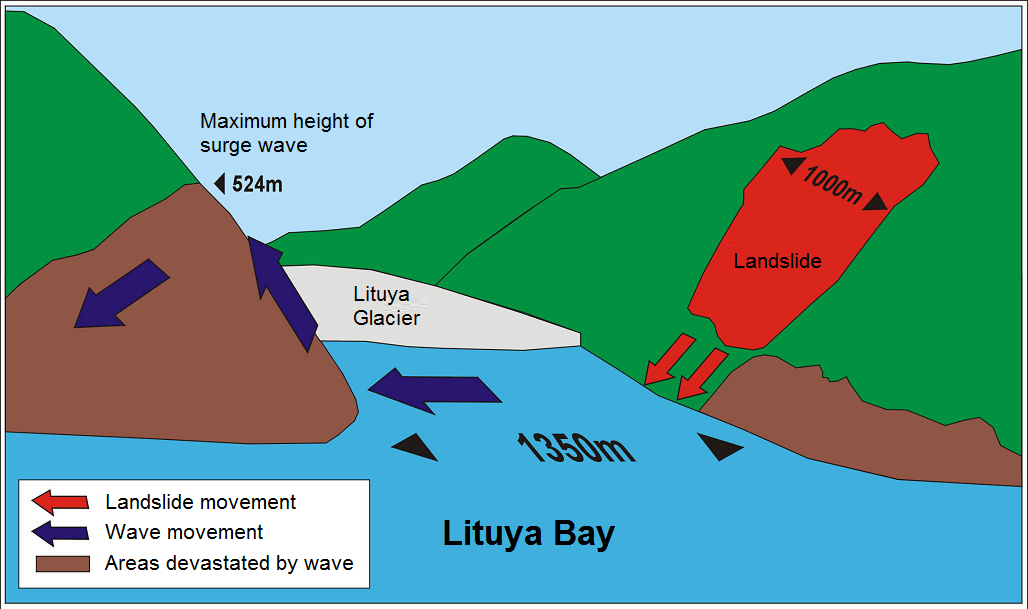
Last summer, a colossal wave surged through a remote fjord in southeast Alaska, resulting from a landslide that released an astonishing 64 million cubic meters of rock into the sea. This event, which created a wave nearly 500 meters tall, went largely unnoticed at the time but has now been recognized as a significant geological occurrence. The timing of the event, occurring in the early morning hours, spared tourist cruise ships from potential disaster, but experts warn that future incidents may not be so fortunate.
Dr. Bretwood Higman, an Alaskan geologist, expressed his concerns about the risks associated with such megatsunamis, particularly as climate change continues to impact glacier stability. The research indicates that as glaciers melt, they contribute to the destabilization of rock formations, increasing the likelihood of landslides that can trigger these massive waves.
- Key points about the megatsunami:
- Second largest ever recorded, only surpassed by a 1950s event.
- Caused by a landslide in Tracy Arm Fjord.
- Climate change is exacerbating the risks of such occurrences.