Tesla's Autopilot Under Fire After Fatal Crash
Tesla faces a lawsuit after a tragic crash killed a grandmother, with claims that its Autopilot feature was defective. Discover the shocking details behind the allegations and Elon Musk's response.
The Incident and Lawsuit Details
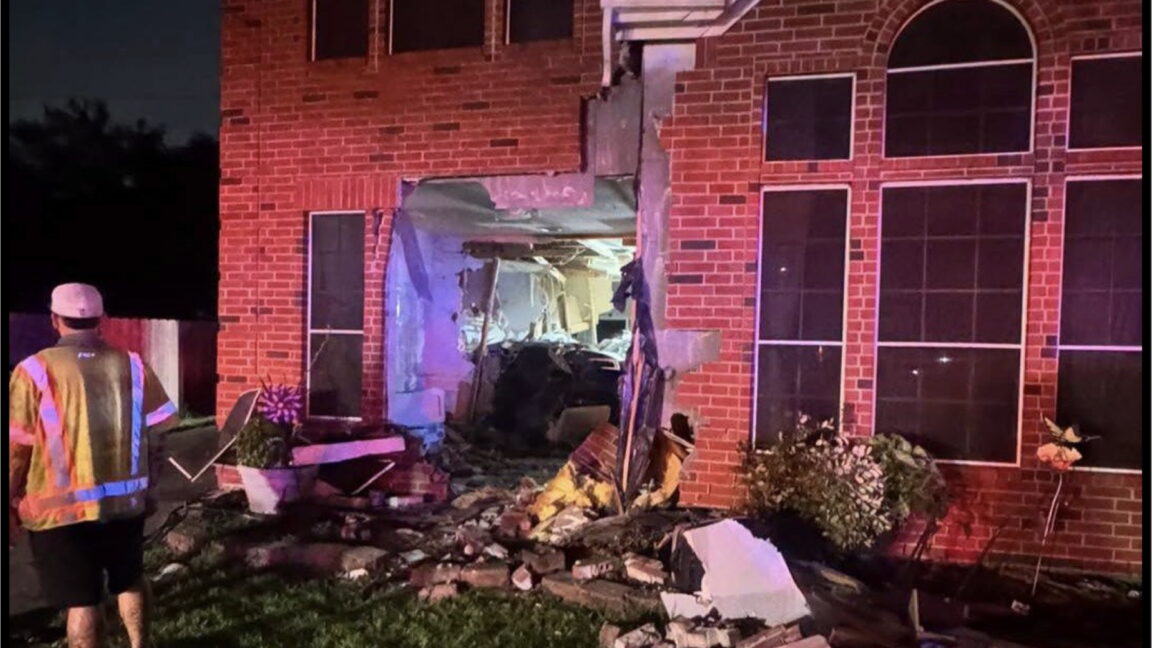
A recent incident involving a Tesla Model 3 has raised serious questions about the safety of the company's Autopilot feature. The vehicle crashed into a Texas home, resulting in the death of 76-year-old Martha Avila. Her family has filed a lawsuit seeking over $1 million in damages, alleging that the automated driving system was defective and contributed to the accident.
The driver, Michael Butler, claims that the Full Self Driving (FSD) feature was engaged at the time of the crash. However, Tesla disputes this assertion, with CEO Elon Musk stating that the high-speed nature of the crash contradicts the capabilities of FSD, which is designed for slower speeds in residential areas. Musk's comments have sparked further debate about the reliability of Tesla's technology.
Allegations of Malfunction
The lawsuit presents two main theories regarding the potential malfunction of the FSD system:
- Sudden Unintended Acceleration (SUA): The family argues that Tesla is aware of this defect, which can cause the vehicle to accelerate unexpectedly due to battery voltage spikes.
- Lack of Obstacle Detection: They also claim that the removal of critical hardware during a global chip shortage may have prevented the car from detecting the home in its path.