NASA's X-59: Quiet Supersonic Flight Revolution
NASA's X-59 aims to redefine supersonic travel by replacing loud sonic booms with a quieter thump. Discover how this innovative aircraft could pave the way for overland supersonic flights without disturbing communities.
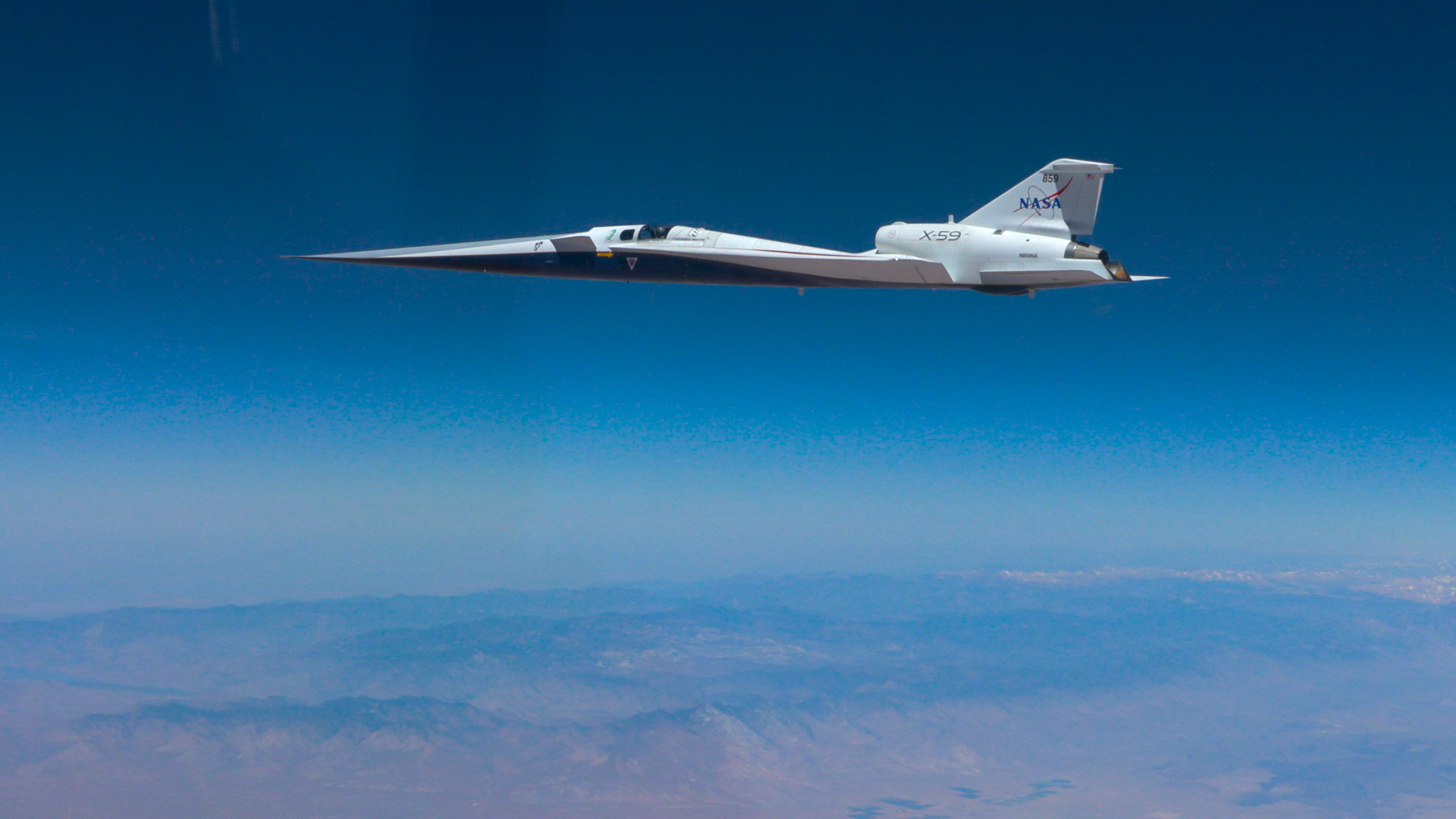
A New Era in Supersonic Travel
After decades of silence since the Concorde, NASA's experimental X-59 Quesst is set to change the game for supersonic air travel. This aircraft is designed to produce a sound akin to a car door slamming from 20 feet away, rather than the disruptive sonic booms of the past. With its recent test flights, the X-59 is not just an experimental model; it aims to gather public feedback as it tours the U.S.
The X-59's unique design, developed by Lockheed Martin, allows it to fly overland routes without causing noise complaints. This initiative comes at a crucial time as Congress considers legislation to lift the 1973 ban on overland supersonic flights, which was largely influenced by public backlash against noise pollution from military tests.
- Key features of the X-59 include:
- Quieter sonic thumps instead of booms
- A robust design for extensive testing
- Potential for commercial viability despite fuel costs